



What is a Glass-on-Glass Pipe?
The term glass-on-glass refers to a glass pipe that does not use any foreign materials such as those typically used around the bowl and stem of a glass water pipe. Grommets and o-rings are often made of rubber or silicone, but a glass-on-glass pipe is, as the name suggests, 100% glass. A typical glass pipe might be referred to as a glass-on-rubber pipe. Glass-on-glass pipes are often held in higher regard by smokers, seen as being part of a standard above the norm. Unique, artistic glass-on-glass water pipes with multiple percolation chambers are often held as the epitome of a pure smoking experience.Benefits of Glass-on-Glass Pipes
In many cases, having a glass-on-glass pipe is seen as a status symbol. Much like a luxury car, it's something to brag to your friends about and it lets others know that you take pride in the way that you smoke. There are some real-world advantages to smoking with glass, however, so the benefits of having a glass-on-glass pipe do expand beyond mere perception. Some of these benefits include:- Glass fittings remain cleaner than rubber fittings, which become dirty and discolored. Additionally, the glass fittings are much easier to clean.
- Glass fittings create a more air-tight seal due to precision cutting of the pieces.
- Glass is safer than rubber around heat and the flame of a lighter.
- Glass will typically create a more aesthetically-pleasing appearance than a pipe with rubber fittings.
Glass vs. Other Pipe Materials
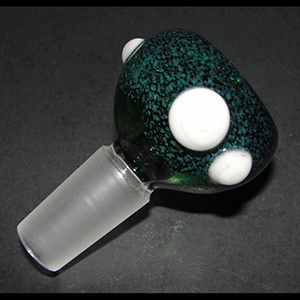 From antiquity, glass has a history of being regarded as a precious material owned and used by royalty and other prominent figures. Nowadays glass is much more widely available and is used in items ranging from paperweights and baking dishes all the way down to glass pipes of all sizes, shapes and colors. The different formulations allow for exotic design while blowing methods applied can create pieces that are not only functional but also artistic and expressive.
The general preference for glass-on-glass pipes stems from the characteristics of glass in general that are perfectly-suited for smoking. Wood and clay pipes can often result in competing flavors while glass pipes have a more consistent flavor and smoking experience. Porous clay or combustible woods, when used as pipe material, were appreciated by many for the taste additions the material provided, newer and different flavors of smoking herbs and tobacco have largely eliminated the need for flavoring via the pipe. Glass pipes now provide a more pure smoking experience and desired flavoring can be achieved by different tobacco and herb brands.
The upsides of glass pipes are seemingly endless. Glass is non-porous and so can be cleaned very easily. Glass is by far the easiest material to clean when compared to other types of pipes. Glass is also safer in the fact that glass pipes contain no small openings which can house potentially harmful bacteria. Rubber pipes as well as clay and other materials can be more conducive to bacteria buildup over time and are also potentially harmful as users may be exposed to hazardous fumes and chemicals depending on the specific material.
Glass also offers more possibilities in terms of what types of shapes and designs can be achieved with the material. Virtually any design and coloration is possible with glass construction whereas the possibilities with rubber, metal and clay are much more limited.
If you do not have a specific preference or feature that you feel you must have when purchasing and owning a pipe, you may want to consider the potential toxicity of other pipe material types as well as flavor cleanliness and the design potential glass allows. Glass pipes are just plain cool and you get cleaner smoke than most other materials can provide. Glass pipes can be a simple and small chillum all the up to an intricate bubbler-style pipe. Whatever style or form you desire, there's a glass pipe out there to perfectly suit your needs.
From antiquity, glass has a history of being regarded as a precious material owned and used by royalty and other prominent figures. Nowadays glass is much more widely available and is used in items ranging from paperweights and baking dishes all the way down to glass pipes of all sizes, shapes and colors. The different formulations allow for exotic design while blowing methods applied can create pieces that are not only functional but also artistic and expressive.
The general preference for glass-on-glass pipes stems from the characteristics of glass in general that are perfectly-suited for smoking. Wood and clay pipes can often result in competing flavors while glass pipes have a more consistent flavor and smoking experience. Porous clay or combustible woods, when used as pipe material, were appreciated by many for the taste additions the material provided, newer and different flavors of smoking herbs and tobacco have largely eliminated the need for flavoring via the pipe. Glass pipes now provide a more pure smoking experience and desired flavoring can be achieved by different tobacco and herb brands.
The upsides of glass pipes are seemingly endless. Glass is non-porous and so can be cleaned very easily. Glass is by far the easiest material to clean when compared to other types of pipes. Glass is also safer in the fact that glass pipes contain no small openings which can house potentially harmful bacteria. Rubber pipes as well as clay and other materials can be more conducive to bacteria buildup over time and are also potentially harmful as users may be exposed to hazardous fumes and chemicals depending on the specific material.
Glass also offers more possibilities in terms of what types of shapes and designs can be achieved with the material. Virtually any design and coloration is possible with glass construction whereas the possibilities with rubber, metal and clay are much more limited.
If you do not have a specific preference or feature that you feel you must have when purchasing and owning a pipe, you may want to consider the potential toxicity of other pipe material types as well as flavor cleanliness and the design potential glass allows. Glass pipes are just plain cool and you get cleaner smoke than most other materials can provide. Glass pipes can be a simple and small chillum all the up to an intricate bubbler-style pipe. Whatever style or form you desire, there's a glass pipe out there to perfectly suit your needs.